More Free Form Radio
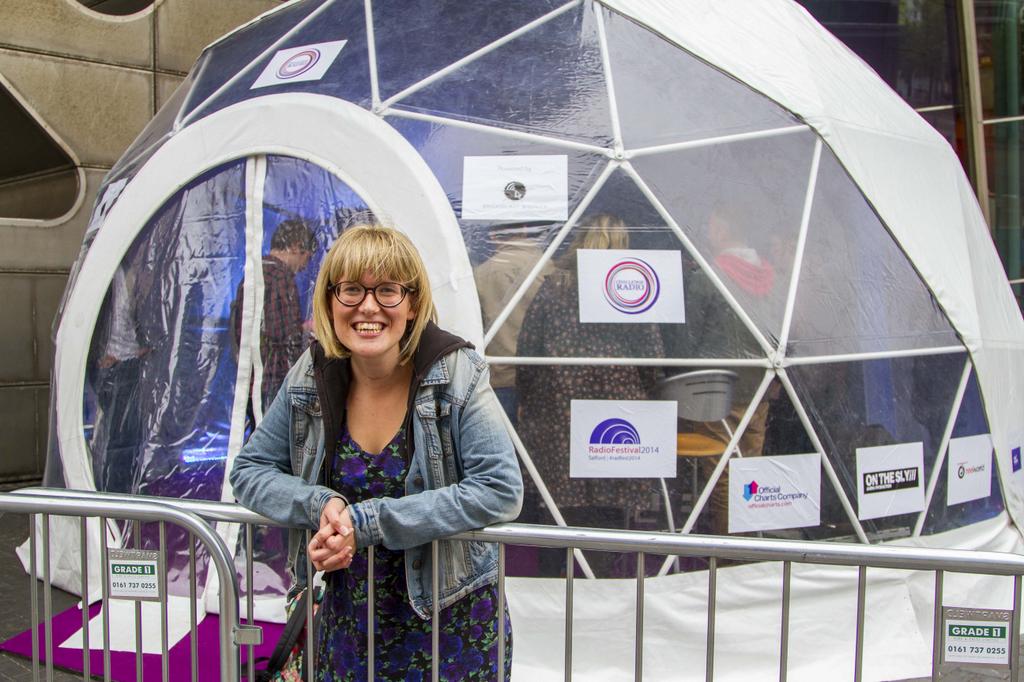
I've spent a lot of time listening to Challenge Radio today. It's the Radio Festival's pop-up radio station. It ran from 8am to 8pm and had a whole host of radio presenters from BBC, commercial and student radio, hosting shows together.
It was a bit of fun. Something nice to do whilst the Radio Festival is on and everyone is together. It was on FM and DAB around Manchester/Salford and some of the shows were simulcast on BBC Radio 2 and Fun Kids too.
With my Fun Kids hat on, that's why I was listening to a lot of it. Interestingly it was our first ever live show on Fun Kids - which er, somewhat added to the Fun...
Anyway, listening along to it made me think about radio a bit. Sometimes you need to hear something different to remind you of what you know, or perhaps don't know.
Fun
Firstly, it was a fun listen. The people doing it didn't need to do it. They all have much bigger and better shows. They did it because they wanted to and as there was no real pressure they were relaxed and had fun.
Other than Ofcom ones there were no real rules. But that didn't stop the presenters being presenters. They generally didn't ramble on and they did 'radioy' things - teased ahead, reset and explained where they were are etc.
It certainly helped there were no ads to play (as it does the BBC) as it gave the presenters the room not to worry about hitting speed links etc. There were some lovely naturally paced stories and anecdotes and still room for plenty of tunes.
We live in an imperfect world, competition and ease of switching means that formatting is a necessary evil. Total free rein would make it harder to gain audience and traction. R1/R2's success comes from heritage, high value talent and no ads. Being Radio 2+ads (and slightly weaker talent) would sadly be suicide for any station. Sorry anoraks.
However, the trick is how you can create the flow in an hour that allows the format to hit but gives the presenters confidence to be relaxed and funny. It's something that commercial radio particularly manages in Breakfast, it would be interesting to take the level of production - particularly around break and song placement in traditionally more music intensive hours.
In 10mins-of-ads-an-hour commercial radio it's probably still going to be difficult. However, if you're on, or run, a station with a spot load of less than five mins - maybe a digital station - I think it'd be possible to win on music+personality (providing, of course, you have the right people and the right scheduling). Plus if you're a more specialist station you're closer to being replaced by Spotify - you might as well add something to your armoury. Perhaps that's chat.
Anyway, back to Challenge Radio...
Chemistry
Quite a few of the shows had people thrown together - for fun! Some of these worked, others didn't. The ones that didn't weren't because they hadn't met - some of those were actually great - they didn't work because the people doing them didn't understand what they needed to do.
So much good chemistry comes from generosity. Enabling others to be fantastic. There's also the improv trick of 'Yes and' to move things forward. You don't need to know your co-host, you just need to know the skill. Lots of stations, especially those who want to prep people for bigger shows should teach these skills - rather than "hoping they all get on".
Visualisation enhances
The pictures are better on the radio blah blah blah. Yes, of course the benefit of radio is that it's a multi-tasking medium and you don't need to look at something. However, when there's something you can look at, make it available. Challenge Radio had high value talent, guests, chat - this made it something I would occasionally lean forward to consume.
It didn't need pop videos (especially crappy ones pulled off of YouTube), just having some camera swapping based on mic levels and a smaller window showing metadata when songs were on was great. Streamed on YouTube, which I'm comfortable using on multiple platforms, was perfect. I think Challenge Radio had a Broadcast Bionics solution. It seemed to work fine!
Why bother? My hunch is visualisation like this would be hours enhancing. I think I'm more likely to keep something on 'in the background' if I can occasionally foreground it.
Different can be exciting
Like Radio 2's learned with 2DAY, what can you do to your existing station that rejuvenates the presenters and provides something that's fun for listeners.
At Challenge Radio they broadcast from a sort-of Crystal Maze type studio. It was a talking point. It was engaging, you wanted to see what it looked like. What can be a surprise? What can be intriguing? What can be fun?
Anywho, well done to the people who worked on Challenge Radio, particularly Chris North who had to wrangle all the presenters to be on it and then find all the people to support it and broadcast it. It was fun to listen to and made me think. So hurrah for that.